
Ready for Coating
- Shingle Condition
- Flat tabs, moderate granule loss
- Attachment
- Tabs sealed down and nailed well
- Flashing
- Tight at walls, valleys, and vents
- Manufacturer Support
- Both makers support the pairing
- Leaks
- None, or traced to fixed flashing
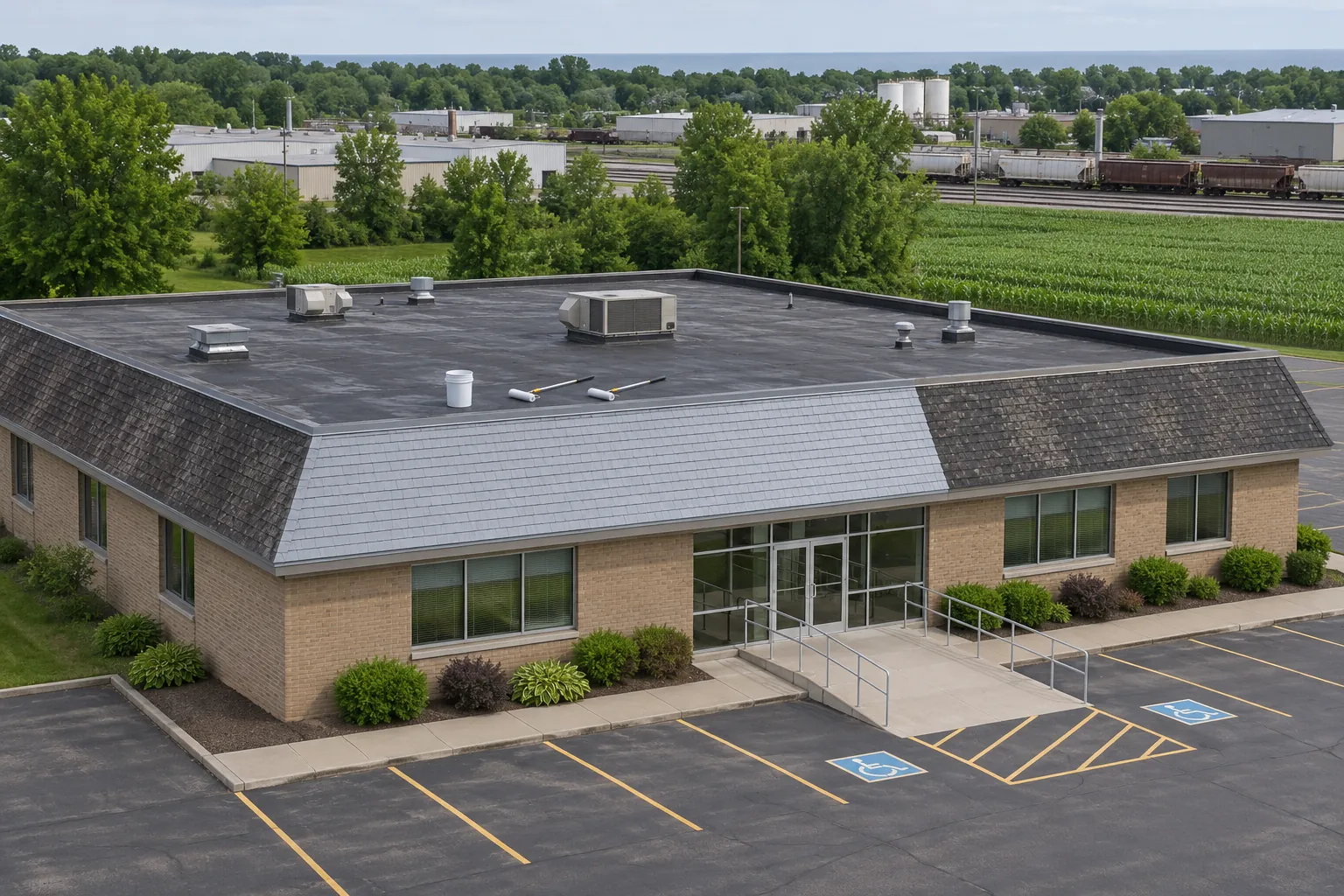
Erie shingle roof coating is a narrow fit. We check shingle attachment, flashing, and manufacturer guidance before coating any commercial shingle roof.
Erie shingle roof coating works only on shingles still doing their job. The raised column shows that roof; the others need different work.
Commercial shingles get a narrow inspection before coating. Each card is a gate the roof has to pass.
It works on flat, attached shingles with sound flashing, where both the shingle and coating makers support it. Failing shingles are better repaired or replaced. We check a sample of tabs on each slope before deciding.
Church roofs often pair steep shingle slopes with loose flashing at towers and walls. That flashing is repaired on its own, apart from any coating decision. Towers and wall joints get a separate leak check from the shingles.
Sometimes. Compatibility and the shingles condition decide it, and some shingle makers advise against coatings. We check those requirements before recommending anything. A short call to each maker settles the question before any quote.
Coating life follows compatibility, adhesion, and the shingles beneath. A coating cannot outlast a deteriorated substrate, so age alone settles nothing. Regular inspections tell you more than the date of the last coat.
Storms off the lake lift tabs that lost their seal. Lifted tabs are resealed or replaced before any coating, or water runs under them. Matching replacement tabs are set in sealant before cleaning starts.
Worn valley metal and step flashing leak long before the shingles do. Those details are repaired first, since coating over them hides the leak. Valley metal is replaced in full lengths where it has worn thin.
These are the choices for a commercial shingle roof, from coating to reshingling.
| Option | Where It Fits | What To Know |
|---|---|---|
| Compatible shingle coating | Flat, attached shingles | Only where both makers support it |
| Flashing and tab repairs only | Shingles with an intact field | Fixes leaks without coating |
| Coating on mansard faces | Shingle faces around flat roofs | Detailed where they meet the flat roof |
| Reshingling | Curling or brittle shingles | Addresses the roof directly |
Where coating fits a shingle roof, these are the gains for each group.
Call and describe where the water shows. Flashing repairs come before any talk of coating the shingles.
Five steps, with the shingle check and flashing repairs before any coating.
We check tab attachment, curling, granule loss, and flashing at walls, valleys, towers, and vents. Photos of every slope and detail go into the inspection record.
The shingle and coating makers guidance is reviewed. If the pairing is unsupported, we recommend repair or reshingling instead. Written guidance from each maker is kept with the job file.
Flashing that pulled loose is rebuilt, and lifted or missing tabs are resealed or replaced. Step flashing at walls is replaced in short runs so the wall stays covered.
Loose granules, moss, and dirt are cleaned off gently so the coating bonds to the asphalt. Pressure stays low so granules are left in place on the shingles.
Coating goes on at the thickness the product requires, in dry weather, with edges and details finished by hand. Coating stops short of gutters and vents so water and air still move freely.
Flat and metal sections beside the shingles often need one of these.
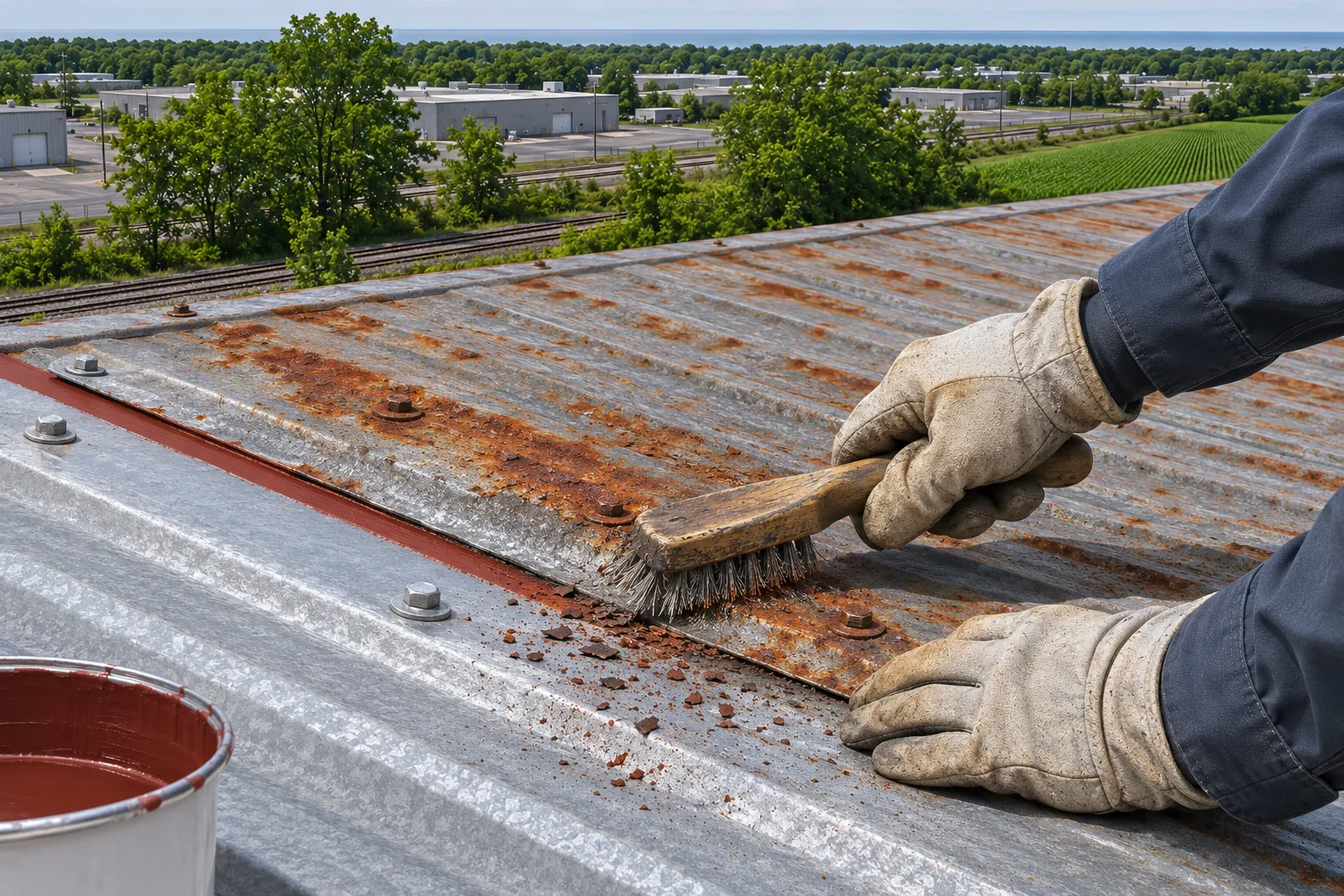
Screw sealing, lap repair, and rust priming under two coats.
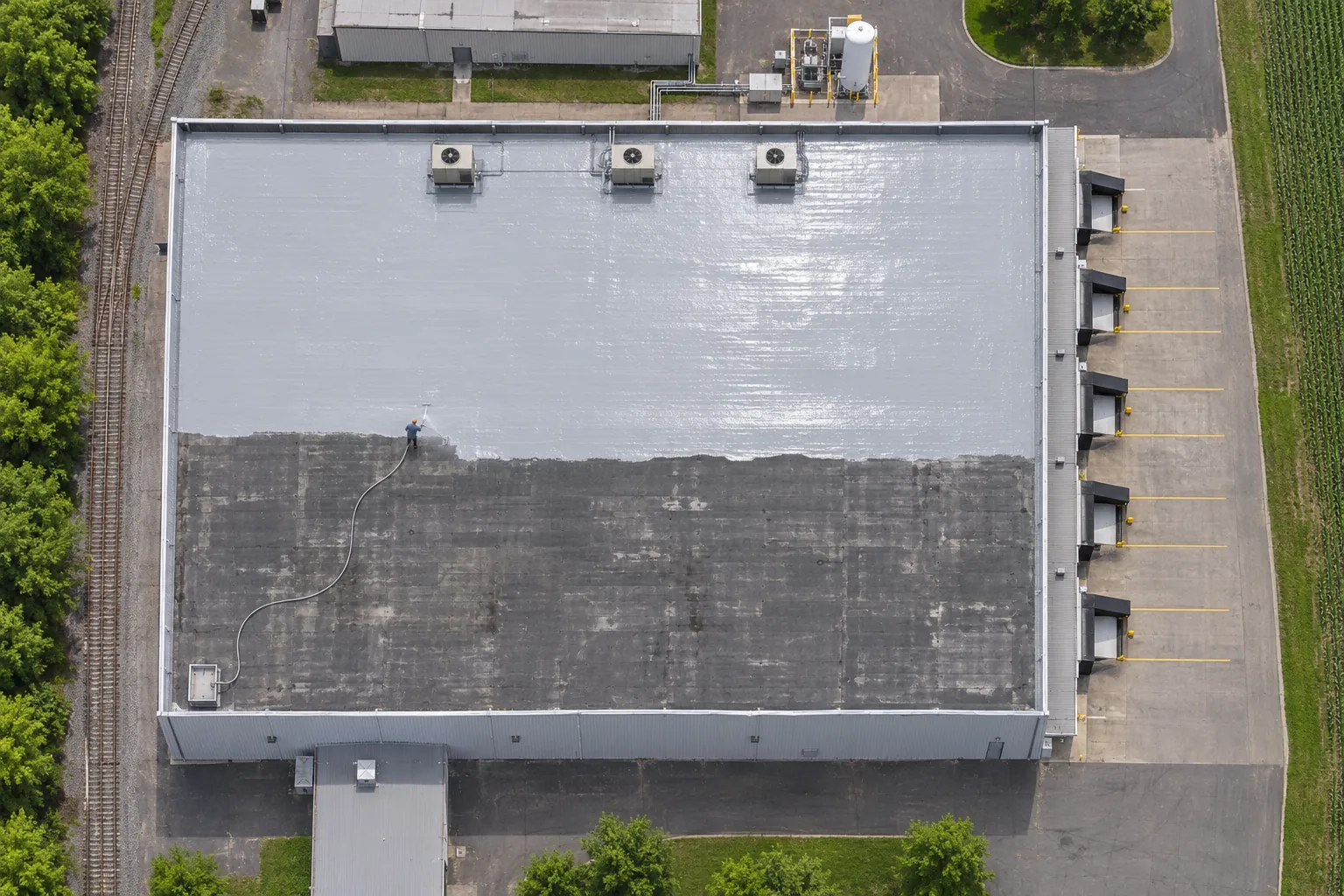
Thick silicone for low-slope roofs where water lingers.
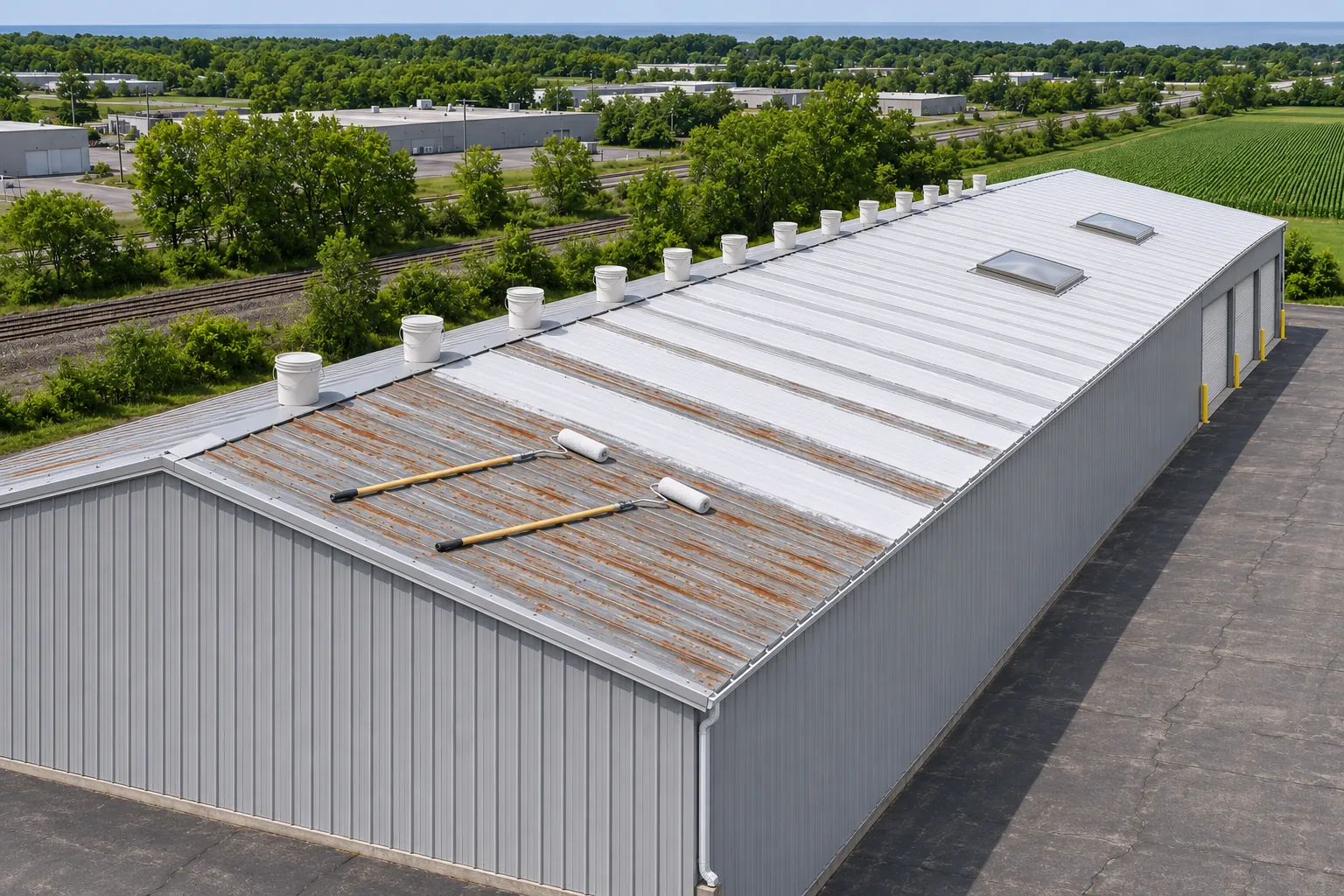
Water-based coats for sloped panels in warm, dry weather.
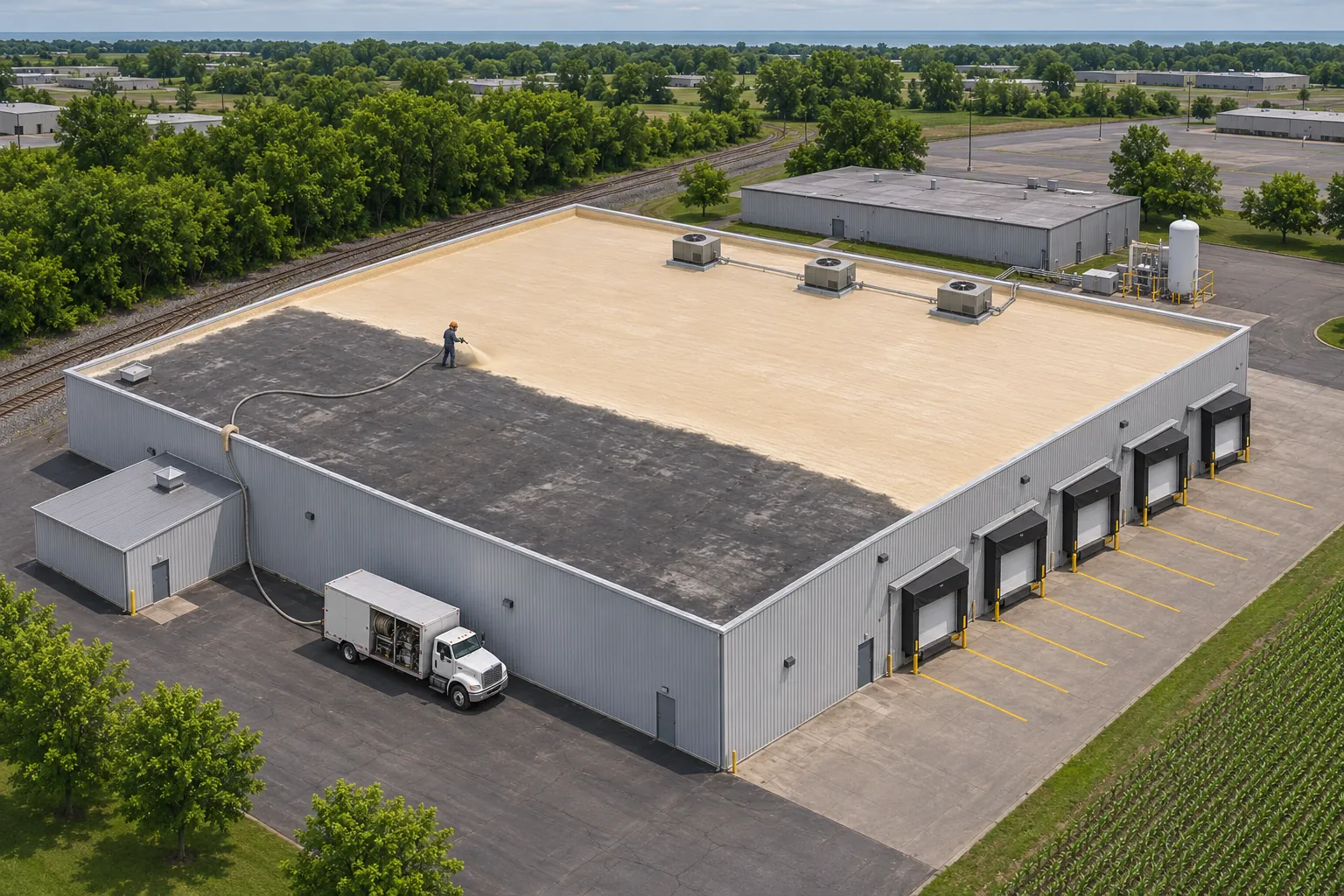
Insulating foam and topcoat over a dry, repaired deck.
No. Coating never substitutes for repairing loose flashing. We inspect those connections and confirm the shingle and coating makers support the combination, then handle existing leaks separately from the coating decision.
Coating fits only when compatibility and condition support it. We check attachment, tab wear, and the makers requirements; failing shingles or an unsupported pairing point to repair or replacement.
Compatibility, adhesion, and the condition of the shingles underneath. We inspect the covering and flashing before discussing renewal, since the coating cannot outperform the substrate.
Coating runs about $2.50 to $4.00 per square foot of roof, against about $5 to $8 for replacement. On shingle roofs, flashing repairs, tab replacement, and steep access often decide where a roof lands.
Storm damage should be documented first, because the coating covers the surface. We photograph and record what we find before any work.
Often, yes. The shingle face and the flat roof get compatible products, and the joint where they meet is detailed so water passes between them.
Granule loss alone leaves coating on the table if the shingles are still flat and attached. Bare asphalt with cracking or curling points toward reshingling instead.
Steep commercial slopes such as church roofs and mansards are coated from lifts or with fall protection set up first. Access planning adds to the job, and we price it as its own line.
Send the roof size for a free ballpark range, or call to have the shingles and flashing checked first.